The Clock is Ticking: Why EV Owners Need to Act Before June 30th to Claim a $1,000 Tax Credit

May 28, 2026

If you recently bought an electric vehicle (EV) or are thinking about making the switch, there is a major federal tax deadline looming that you need to know about.

Under the federal tax code (Section 30C), homeowners can claim the Alternative Fuel Vehicle Refueling Property Credit to help offset the cost of installing a home EV charging station. However, following recent legislative changes under the One Big Beautiful Bill Act (OBBBA), this tax credit is officially set to expire on June 30th. If you want to save up to $1,000 on your home charging setup, the clock is ticking. Here is what you need to know to take advantage of this incentive before it’s gone forever.

What is the EV Charger Tax Credit?

The Section 30C tax credit allows eligible homeowners to claim 30% of the total cost of purchasing and installing a qualified home EV charging station, up to a maximum credit of $1,000.

What makes this incentive so valuable is that it applies to both:

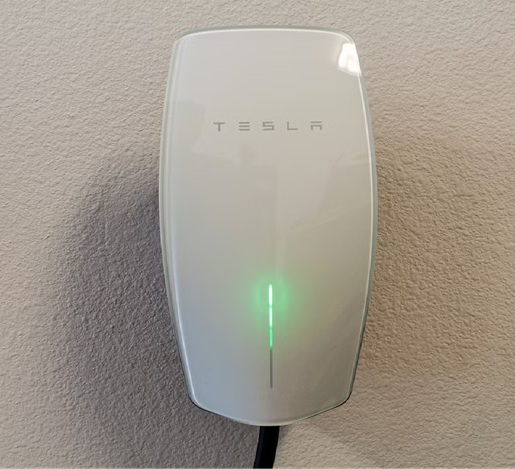
  1. The hardware: The cost of the Level 2 charging unit itself.
  2. The labor: The cost of hiring a licensed electrician to wire the system, pull permits, and upgrade your electrical panel if necessary.

Because this is a tax credit and not a deduction, it reduces your federal income tax liability dollar-for-dollar.

The Mid-Year Deadline: June 30th is the Hard Cutoff

Most federal tax credits run through the end of the calendar year, leading many homeowners to assume they have until December 31st to complete home improvements. That is not the case here. To qualify for the credit, your EV charging station must be fully installed and "placed in service" on or before June 30th. If your electrician finishes the job on July 1st, you will be entirely ineligible for the credit, as the incentive completely terminates after the deadline.

Do You Qualify?

Before you rush to book an electrician, you must ensure your property meets the IRS criteria for the credit:

  • Primary Residence: The charger must be installed at your principal residence. Vacation homes or investment properties generally do not qualify.
  • Location Requirements: To ensure the credit targets specific communities, the IRS requires that the property be located in either a low-income community census tract or a non-urban (rural) census tract.

How do you check your address? You don't have to guess. The U.S. Department of Energy provides a 30C Tax Credit Eligibility Locator online. You can type in your address to instantly see if your census tract qualifies.

Why This Matters for Your Broader Financial and Estate Plan

You might wonder why an estate planning firm is emphasizing a home EV charger credit. Strategic wealth preservation is built on a foundation of micro-savings and smart asset management.

  1. Increasing Property Value: Installing a dedicated Level 2 charging station is a modern home improvement that adds tangible value to your real estate assets—assets that will eventually pass to your heirs. Doing it now allows Uncle Sam to subsidize the upgrade.
  2. Tax Stacking Opportunities: If you are financing a new EV, certain tax strategies allow you to bundle the charger into your vehicle purchase contract to optimize deductions. Minimizing your current tax bill leaves more liquidity to fund your trusts, savings, or investment portfolios.
  3. Beating the Last-Minute Rush: As the June 30th deadline approaches, local licensed electricians are expecting a surge in appointments. Waiting until the last week of June could mean missing out simply because an installer wasn't available.

How to Claim the Credit

If you complete your installation by the June 30th deadline, make sure to:

  • Keep all receipts: Save itemized invoices for both the charging hardware and the electrician's labor.
  • File IRS Form 8911: You will file this form alongside your federal income tax return for the tax year the charger was placed in service.

Act Now

With June 30th rapidly approaching, time is running out to claim this $1,000 federal incentive. Check your geographic eligibility today, and schedule your installation as soon as possible.

Disclaimer: Tax laws can be complex and depend heavily on your individual financial situation. Always consult with a certified CPA or tax professional before making major tax-related property investments.

take the next step

Take control of your future today with smart, cost-effective solutions from an experienced estate planning lawyer in Texas.

Personalized attention

Take the next step.
From the first meeting through the execution of your documents, we work one on one with you to understand your unique needs, ensuring comprehensive and compassionate legal guidance in crafting a dynamic estate plan.

custom-tailored plans

Take the next step.
Each client's situation is unique and complex, and your estate plan should be customized to suit your needs and goals. We will provide a plan that is specific to you, rather than using a generic model created by a document assembly program.

quick response times

Take the next step.
Your estate plan is important and doesn’t deserve to languish on a desk. We will be responsive to your needs and communicate with you often. We also don’t charge for phone calls, emails and meetings, so you don’t have to worry about reaching out to us.
schedule a call